
Mastering Natural Light Portraits
Natural light is one of the most powerful and accessible tools in photography. Unlike studio lighting, it constantly changes—shifting in direction, intensity, and color throughout the day. Learning how to control and adapt to these changes allows photographers to create portraits that feel authentic, soft, and visually compelling. This tutorial walks you through the essential techniques for using natural light effectively, including positioning your subject, choosing the right time of day, and dialing in the proper camera settings for balanced exposure.
Understanding Natural Light
Natural light refers to sunlight in its various forms—direct sunlight, diffused light through clouds, reflected light from surrounding surfaces, and ambient shade. Each type produces a different mood and visual effect in portraits.
- Direct sunlight creates strong contrast and defined shadows.
- Diffused light (such as on cloudy days) produces soft, even illumination.
- Open shade offers balanced lighting that prevents harsh highlights.
- Reflected light from walls, sand, or pavement can brighten shadow areas naturally.
Recognizing these variations helps photographers decide how and where to position their subject for the most flattering results.
Choosing the Best Time of Day
Timing is crucial when working with natural light. The quality and direction of sunlight change dramatically throughout the day.
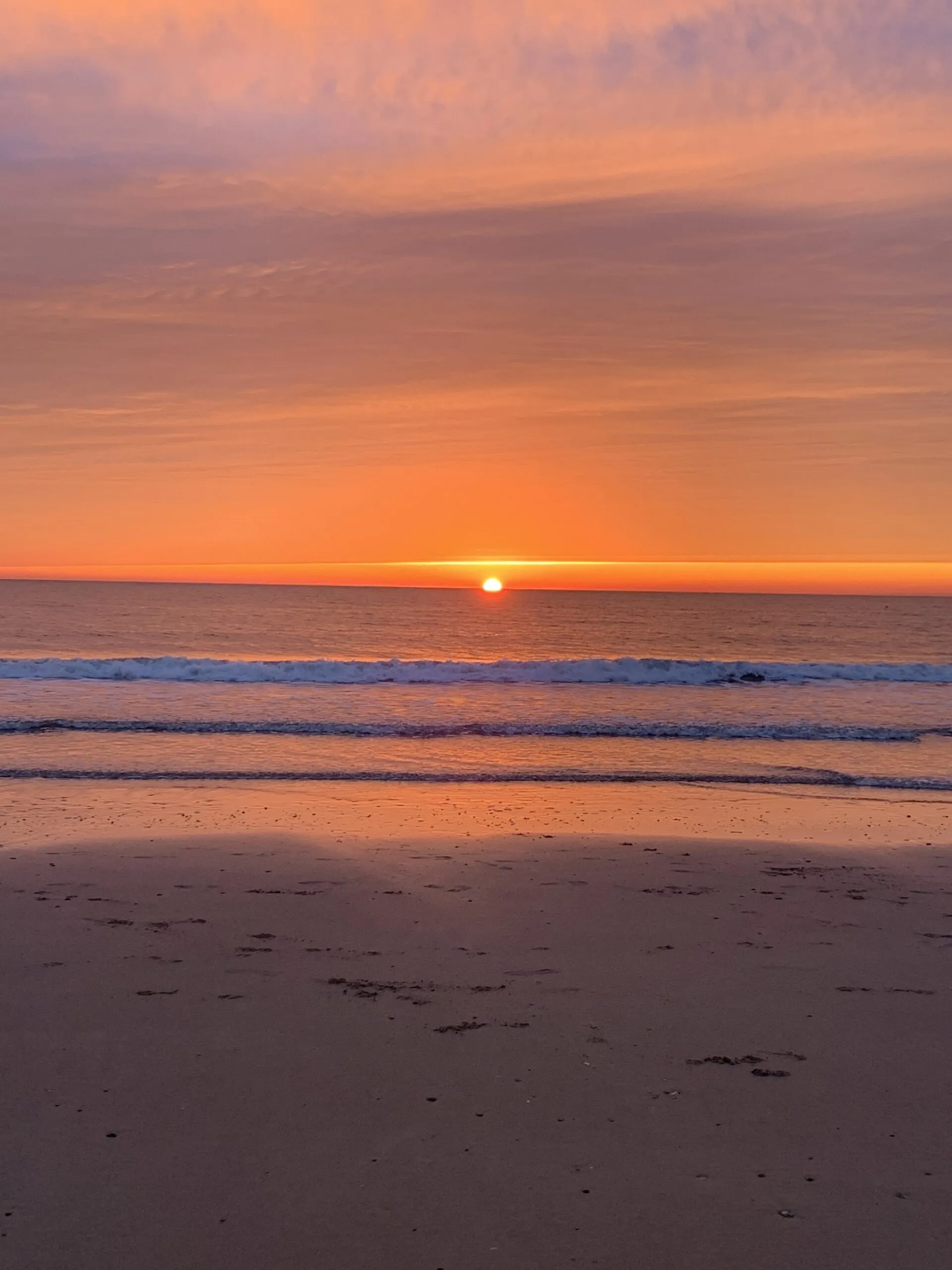
Golden Hour—shortly after sunrise and just before sunset—is often considered the ideal time for portrait photography. During this period, the sun sits low in the sky, producing warm tones and soft shadows that flatter skin tones.
Midday sunlight, by contrast, is harsh and comes from directly overhead. This can create deep shadows under the eyes and nose. If you must shoot at midday, move your subject into open shade or use buildings and trees to block direct light.
Blue Hour, the period just after sunset, offers cooler tones and soft ambient light that can produce atmospheric portraits.
Positioning Your Subject
How you position your subject relative to the light source dramatically affects the look of your portrait.
Front Lighting
- The sun illuminates the subject’s face directly.
- Produces evenly lit images with minimal shadows.
- Ideal for clean, bright portraits.
Side Lighting
- Light strikes the subject from one side.
- Adds depth, dimension, and texture.
- Great for dramatic or artistic portraits.
Backlighting
- The light source is behind the subject.
- Creates glowing edges around hair and shoulders.
- Can produce dreamy, cinematic images when exposure is handled correctly.
Experimenting with these positions helps you control mood and visual storytelling within your portraits.
Camera Settings for Natural Light
Correct exposure is essential when shooting with natural light. Understanding how your camera’s exposure triangle works will give you greater control.
Aperture (f-stop)
For portraits, photographers often use wide apertures such as f/1.8–f/4. This creates a shallow depth of field, blurring the background and keeping attention on the subject.
Shutter Speed
Use a shutter speed fast enough to prevent motion blur. For handheld portrait photography, 1/125 or faster is generally safe.
ISO
Keep ISO as low as possible to reduce noise. In bright natural light, ISO values like 100–200 typically work well.
Many photographers prefer Aperture Priority mode (A/Av) for natural light portraits because it allows quick adjustments while the camera manages shutter speed.
Using Reflectors and Natural Modifiers
Even when relying on natural light, small tools can improve your results dramatically.
Reflectors bounce sunlight back onto your subject, filling in shadows and creating balanced exposure. A simple white reflector produces soft fill light, while a silver reflector creates stronger highlights.
You can also use natural reflectors, such as light-colored walls, sand, snow, or pavement, to brighten shadow areas without additional equipment.
Reading and Adjusting Exposure
Natural light conditions can change quickly, especially outdoors. Learning to read the light ensures consistent results.
- Use your camera’s histogram to check exposure accuracy.
- Watch for blown highlights on skin tones in bright sunlight.
- Adjust exposure compensation if your subject appears too dark or too bright.
When shooting in backlit situations, slightly increasing exposure helps keep your subject properly lit while maintaining the glowing background effect.
Practical Shooting Tips
- Position your subject with the sun slightly behind them for soft hair light.
- Look for open shade near bright backgrounds for balanced lighting.
- Encourage your subject to turn slightly toward the light source for natural facial highlights.
- Take multiple shots while adjusting angles—small changes can transform the lighting.
Final Thoughts
Mastering natural light portraits is about observation and experimentation. By paying attention to the direction, intensity, and quality of light, photographers can create expressive portraits without relying on complex equipment. With practice, you’ll begin to recognize ideal lighting conditions instinctively and adapt your camera settings to capture each moment beautifully.
Natural light is always changing, and that’s what makes it exciting. The more you work with it, the more creative possibilities you’ll discover. 📸